
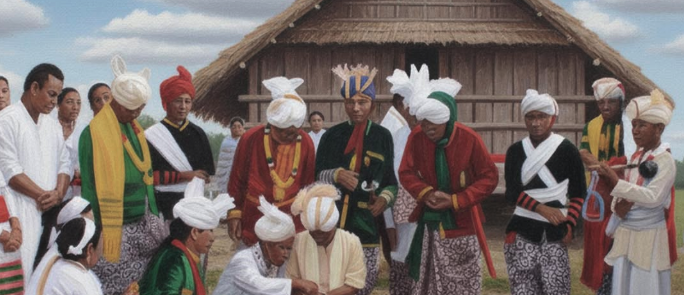
What Is Kwak Jatra in Manipur, and Which Community Actually Celebrates This Ancient Festival?
India’s Northeast is a treasure trove of ancient traditions, royal histories, and unique cultural practices that remain largely undiscovered by the rest of the world. Among these hidden cultural gems is Kwak Jatra, a fascinating indigenous festival from Manipur.
Also known as Kwak Tanba or Mera Kwak Tanba, this festival is deeply intertwined with ceremonial rituals, royal heritage, and a unique avian tradition. But what exactly is this festival, and who celebrates it? Let’s dive into the history, rituals, and significance of this ancient Manipuri observance.
The Essence of Kwak Jatra: Timing and Tradition
Kwak Jatra is an indigenous traditional festival associated with the ceremonial release of a crow (Kwak in the local language).
The timing of the festival is guided by the traditional Meitei lunar calendar. It takes place on the tenth lunar day of the month of Mera. On the Gregorian calendar, this generally falls in September or October, strategically coinciding with the widespread Indian festivals of Vijayadashami (Dussehra) and the conclusion of Durga Puja.
Which Community Actually Celebrates It?
Although Kwak Jatra is widely recognized as an important state festival in Manipur, it is not celebrated in the same way by every community in the state’s diverse demographic landscape.
The festival is primarily associated with the Meitei (Manipuri) community, particularly revolving around its traditional royal and cultural institutions located in the Imphal Valley. While the Meiteis observe the principal rituals rooted in their cultural and royal traditions, the various hill tribes and other communities in Manipur maintain their own distinct festivals and customs during this time.
The Royal Ritual: Releasing the Crow
The most distinctive and captivating ritual of Kwak Jatra centers around avian divination.
The main ceremonies take place at Sana Konung, the historic Royal Palace in Imphal. Here, traditional rituals and prayers are performed by high priests for the peace, prosperity, good luck, and overall well-being of Manipur.
The climax of the festival involves the titular King of Manipur ceremonially releasing a crow. According to ancient indigenous beliefs, the specific direction in which the freed bird chooses to fly is carefully observed and interpreted by traditional scholars as an omen or sign predicting the kingdom’s fortune for the coming year.
Deep Historical Roots and Cultural Syncretism
Kwak Jatra boasts deep roots in Manipur’s indigenous, pre-Hindu cultural traditions. Historical accounts and oral traditions connect the modern festival with an even older ancient practice known as Loidam Kumsaba. Interestingly, historical texts suggest that this earlier ritual originally involved the ceremonial use of a different bird—the Nonggoubi—before evolving into the crow-centric ritual seen today.
Over the centuries, as cultural landscapes shifted, Kwak Jatra underwent a process of syncretism. It gradually became associated with Durga Puja and Vijayadashami, creating a beautiful blend. Today, the festival combines elements of Hindu religious observances with the fiercely protected, distinctive traditions of Meitei royal heritage.
The Symbolism of the Festival
At its core, Kwak Jatra symbolizes a universal human theme: the triumph of righteousness over evil.
Beyond the royal pageantry and the ceremonial crow release, the festival carries the collective hopes of the community for prosperity, happiness, and good fortune. These enduring beliefs reflect its deep cultural and spiritual significance among those who observe it.
Furthermore, Kwak Jatra plays a critical role in preserving Manipur’s historical identity. In a rapidly modernizing world, the continuation of these royal ceremonies, traditional beliefs, and active community participation serves as a vital bridge, connecting present generations directly with the cultural practices of their ancestors.