
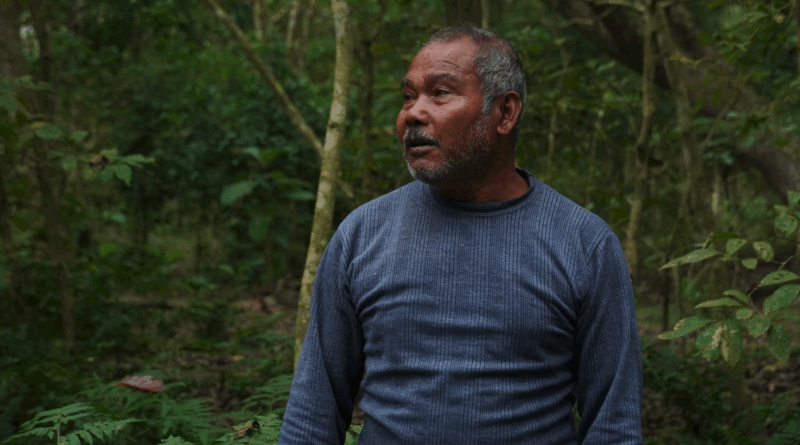
From Barren Sandbar to Jungle: The Epic Journey of Jadav Payeng
Ethno-Ecological Origins and Biographical Context
To understand the genesis of the Molai Forest, one must first situate Jadav Payeng within the cultural and ecological context of the Brahmaputra valley. His actions were not random acts of conservation but were deeply rooted in the worldview of the Mising tribe and the specific environmental realities of riverine Assam.
The Mising Worldview and Riparian Life
Jadav Payeng was born on October 31, 1959, in the Jorhat district of Assam.1 He belongs to the Mising community, an indigenous Tibeto-Burman ethnic group that has historically inhabited the riverbanks (chaporis) of the Brahmaputra. The Mising lifestyle is amphibious in nature, adapted to the annual flood cycles (banpani) that define the region’s hydrology. This cultural heritage provided Payeng with an intrinsic understanding of river morphology, sedimentation patterns, and the resilience of floodplain vegetation.
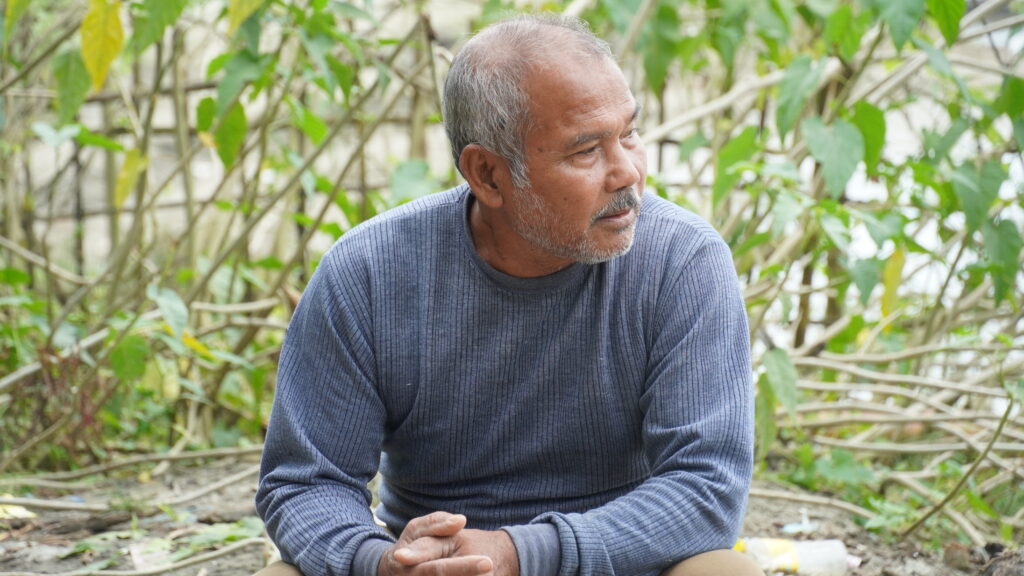
Unlike terrestrial agrarian societies that view floods solely as destructive, the Mising perceive them as regenerative pulses that deposit fertile silt. However, the post-1950 earthquake era in Assam saw a shift in the river’s behavior, leading to excessive sedimentation and the formation of sterile sandbars that resisted natural colonization by vegetation. Payeng’s family, impoverished cattle rearers, lived a life dictated by these environmental fluctuations. He continues to live a life of voluntary simplicity in a hut on the forest fringes, relying on dairy farming—selling milk from his cattle and buffalo—as his primary livelihood.1 This economic independence from his conservation work is crucial; it ensures that the forest remains a labor of love rather than a commercially exploited resource.
The Ecological Trauma of 1979
The catalyst for Payeng’s life work occurred during the monsoon of 1979, when he was merely sixteen years old. A severe flood inundated the Aruna Chapori sandbar, washing ashore a multitude of snakes and reptiles. When the waters receded, the intense tropical sun baked the treeless sandbar. Without canopy cover or leaf litter to provide micro-habitats, the reptiles succumbed to heat exhaustion and desiccation.
Payeng discovered the mass grave of snakes—hundreds of lifeless bodies scattered across the scorching sand. This visceral encounter with the consequences of deforestation triggered a profound emotional and cognitive shift. He realized that the absence of trees was not merely an aesthetic issue but a lethal ecological deficit. He postulated that if the heat could kill the snakes, it would eventually render the land uninhabitable for humans as well.
Institutional Abandonment and Indigenous Agency
Seeking a solution, the young Payeng approached the elders of his village. Their advice was pragmatic and rooted in local botany: they suggested he plant bamboo, the hardiest grass capable of surviving on nutrient-poor, sandy soils.6 Conversely, when he approached the Forest Department, he was met with bureaucratic dismissal. Officials informed him that the sandbar was chemically and structurally incapable of supporting a forest and advised him that any effort would be futile. They told him, essentially, to “try planting bamboo if you want,” abdicating state responsibility for the degraded land.
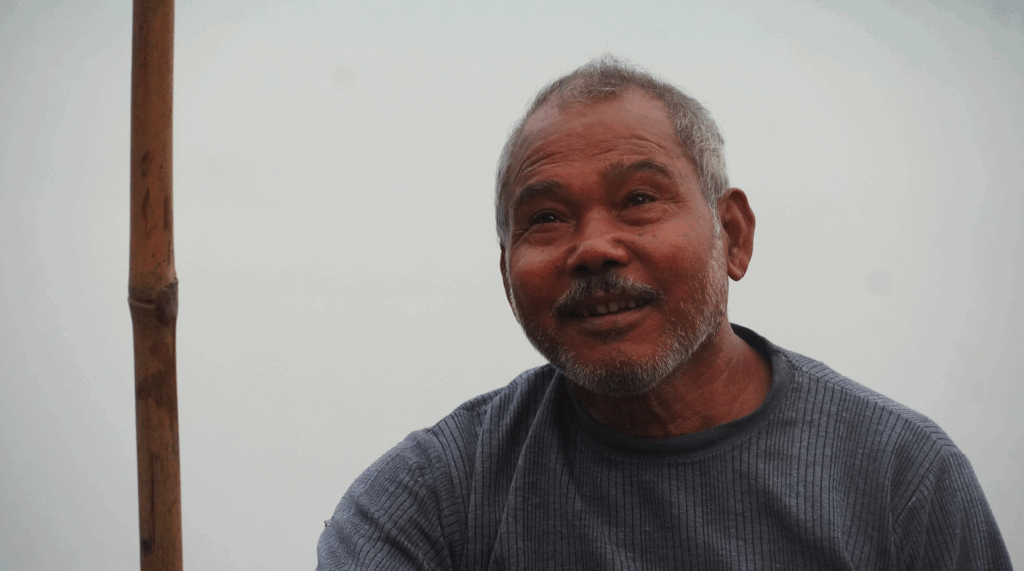
This institutional rejection forced Payeng into a solitary agency. Abandoning his formal education, he moved to the sandbar, determined to implement the elders’ advice. In April 1979, he planted his first 20 bamboo seedlings.1 This act marked the beginning of a four-decade-long experiment in “guerrilla rewilding,” where a single individual assumed the role of an entire forestry department.
Silviculture and Ecological Engineering: The “Payeng Model”
Jadav Payeng’s transformation of a sterile sandbar into a high-biomass forest is a masterclass in applied ecological engineering. Lacking formal scientific training, he intuitively employed principles of succession, soil remediation, and hydrological management that align with advanced restoration ecology.
Pedogenesis: The Role of Red Ants and Termites
The primary edaphic constraint on a sandbar is the lack of soil structure and organic nutrients. Sand is highly permeable, holding neither water nor nitrogen. Payeng recognized that before trees could thrive, the sand had to be converted into soil—a process known as pedogenesis.
- Myrmecological Intervention: Payeng introduced red weaver ants (Oecophylla smaragdina) to the planting site. He physically transported them from mainland villages, enduring their painful bites. In ecological terms, these ants acted as biological engineers. Their aggressive predation protected the vulnerable saplings from herbivores and pests. More importantly, their metabolic activity and the accumulation of their waste products began to alter the chemical composition of the sand.
- Detritivore Introduction: Alongside ants, Payeng introduced termites and earthworms. These organisms are essential for the decomposition of organic matter. As the initial bamboo plantings dropped leaves, the termites broke down this litter, incorporating carbon into the sand and creating a rudimentary humus layer. The earthworms improved soil aeration and porosity, allowing water to penetrate and be retained rather than instantly draining away.
Successional Planting Strategy
Payeng’s planting timeline mirrors the natural process of ecological succession, but accelerated by human labor.
- Stage 1: The Pioneer Phase (Bamboo): Bamboo (Bambusa spp.) was the ideal pioneer species. Its rapid growth rate and dense root mat stabilized the loose sand, preventing wind erosion and trapping silt during subsequent minor floods. The bamboo thickets acted as windbreaks and provided the first shade, lowering ground surface temperatures.1 Today, bamboo still covers over 300 hectares of the forest, forming a dense understory.
- Stage 2: The Seral Phase (Cotton Trees): Once the bamboo established a microclimate, Payeng introduced Bombax ceiba (Simolu or Silk Cotton trees). These are fast-growing deciduous trees that can tolerate sandy soils. They provided the initial canopy structure.12
- Stage 3: The Climax Phase (Hardwoods and Diversity): As the soil quality improved over 10-15 years, Payeng introduced more demanding species. He collected seeds of Arjun (Terminalia arjuna), Ejar (Lagerstroemia speciosa), Goldmohur (Delonix regia), and Koroi (Albizia procera).1 He also planted Teak (Tectona grandis) and Gomari (Gmelina arborea), valuable timber species that add structural complexity to the forest.
Hydrological Innovation: The Pot-Drip System
Irrigating thousands of saplings on a remote sandbar was a logistical impossibility for one man using buckets. Payeng devised a low-cost, high-efficiency drip irrigation system. He placed earthen pots on bamboo platforms positioned above the saplings. He poked small holes in the bottom of the pots and stuffed them with straw or cloth to regulate the flow. This ensured a slow, continuous drip of water that kept the root zones moist for days at a time, significantly reducing the labor required for watering and ensuring high survival rates for the seedlings during the dry winter months.4
Biodiversity Inventory: From Sandbar to Sanctuary
The success of the Molai Forest is empirically evident in its biodiversity. The ecosystem has evolved from a monoculture of sand to a complex food web supporting apex predators and megaherbivores.
4.1 Flora Composition
The forest is a mixed deciduous ecosystem dominated by indigenous species. A recent study identified over 100 species of plants, including hydrophytes, medicinal plants, orchids, and timber trees.12 The dominant canopy species include:
- Bombax ceiba (Simolu)
- Dalbergia sissoo (Sishu/Rosewood)
- Samanea saman (Rain Tree)
- Tetrameles nodiflora (Bhelu)
- Gmelina arborea (Gamari) 12
These five species alone contribute to approximately 56% of the forest’s total biomass carbon, indicating their foundational role in the ecosystem’s structure.12
Fauna and Trophic Dynamics
The restoration of vegetation has re-established trophic cascades, attracting herbivores followed by carnivores.
- Megafauna:
- Elephants: A herd of approximately 100 Asian elephants visits the forest annually, treating it as a critical part of their migratory corridor. They stay for roughly six months, feeding on the bamboo and grasses. The forest provides a safe haven for calving, with at least 10 elephant calves born within its boundaries in recent years.1
- Rhinoceros: The Greater One-Horned Rhinoceros has recolonized the area. The forest offers the specific mix of grasslands and wallowing mud holes required by the species.2
- Bengal Tigers: Perhaps the most significant indicator of ecosystem health is the presence of a breeding population of Royal Bengal Tigers. Their presence suggests a robust prey base of deer and wild boar. Payeng has noted that the tigers have killed over 100 of his own cattle and buffalo over the years. Remarkably, he bears no ill will, stating that the tigers are merely following their nature and that human encroachment is the root cause of the conflict.1
- Avifauna:
- The forest has become a hotspot for avian diversity, attracting migratory birds that use the Brahmaputra flyway. Snippets suggest that wildlife experts claim the forest attracts “80% of the world’s migratory birds,” though this is likely a hyperbolic colloquialism for a high density of regional migrants.14
- Crucially, the forest hosts populations of vultures, which have seen catastrophic declines across India. Their presence indicates a scavenger-friendly environment free from the diclofenac poisoning prevalent in agricultural areas.11
Carbon Audit and Ecosystem Services: The Science of Molai Kathoni
While Jadav Payeng’s work is often framed as a romantic or inspirational story, it stands up to rigorous scientific scrutiny as a potent climate mitigation strategy. Recent studies, particularly those analyzing the forest’s carbon stock, validate the “Payeng Model” as a scalable Nature-based Solution (NbS).
Comparative Carbon Sequestration Analysis
A pivotal study by Gogoi et al. (2021) titled “Planting Forests in Brahmaputra Flood Plains” compared the 39-year-old Molai Forest (referred to as Planted Forest or PF) with a nearby Natural Forest (NF) of comparable age in the Jorhat district.
Table 1: Carbon Stock Comparison (Molai Forest vs. Natural Forest)
| Metric | Molai Planted Forest (PF) | Natural Forest (NF) Reference |
| Tree Species Richness | 57 species | 54 species |
| Herb/Shrub Richness | 45 species | 25 species |
| Biomass Carbon Stock | 165 Mg C ha⁻¹ | 197 Mg C ha⁻¹ |
| CO₂ Sequestration Potential | 818 Mg CO₂ ha⁻¹ | 959 Mg CO₂ ha⁻¹ |
| Dominant Carbon Contributors | Bombax ceiba, Dalbergia sissoo | Mixed Native Hardwoods |
| Ecosystem Carbon Pool | slightly lower than NF | slightly higher than PF |
Analysis of Data:
The data reveals that the human-made Molai Forest has achieved nearly 84% of the biomass carbon stock of a natural forest in the same timeframe.16 This is an extraordinary metric for a forest grown on degraded sand without scientific inputs. The study highlights that while the Natural Forest has higher species evenness, the Planted Forest actually exhibits higher species richness in the herb and shrub layers, likely due to the edge effects and diverse planting strategy employed by Payeng.12
Soil Organic Carbon (SOC) and Resilience
The study further indicated that the Molai Forest acts as a substantial sink for Soil Organic Carbon. By stabilizing the sand, the forest prevents the rapid oxidation of organic matter. The root systems of the trees also mitigate the impact of floodwaters, reducing soil erosion and protecting downstream agricultural lands from siltation. This bio-shield function is critical in the Brahmaputra basin, where riverbank erosion displaces thousands of people annually.17
The Socio-Political Narrative: Discovery, Recognition, and “The Forest Man”
For the first thirty years of his work, Jadav Payeng remained invisible to the state and the scientific community. His emergence as a global icon is a case study in how local environmentalism intersects with media narratives and national recognition.
The “Discovery” (2008)
The forest was officially “discovered” by the Assam Forest Department in 2008. The discovery was accidental; a herd of wild elephants had raided the village of Aruna Chapori and retreated into the dense vegetation of the sandbar. Forest officials, pursuing the herd to drive them away, were stunned to find a mature forest where their maps indicated only barren sand. Inside this forest, they encountered Payeng, who had been living in isolation with his family.2
The Role of Jitu Kalita
The narrative of Jadav Payeng was brought to the public eye largely through the efforts of Jitu Kalita, a local nature wildlife photographer and journalist. Kalita, while exploring the Brahmaputra by boat to photograph birds, spotted Payeng on the island. Initially, Kalita suspected Payeng was a poacher, given his solitary presence in such a wild area. Upon approaching him, Payeng attacked him, fearing he was a poacher come to kill his animals. Once the misunderstanding was cleared, Kalita realized the magnitude of Payeng’s achievement. He published the first feature article on Payeng in a local Assamese daily, which ignited interest from national media.19
Accolades and Institutional Validation
Following the exposure, Payeng received a cascade of honors that legitimized his informal work within the formal frameworks of Indian society.
- The Title “Forest Man of India”: In 2012, on Earth Day, the Vice-Chancellor of Jawaharlal Nehru University (JNU), Sudhir Kumar Sopory, conferred upon him the title “The Forest Man of India.” This academic recognition was a turning point, elevating him from a local curiosity to a national figure.1
- The Padma Shri (2015): The Government of India awarded Payeng the Padma Shri, the fourth-highest civilian award in the country. This was a significant political acknowledgment of environmental activism as a form of nation-building.1
- Honorary Doctorates: Despite lacking formal higher education, Payeng has been awarded honorary Doctorate degrees (Ph.D.) by Assam Agricultural University and Kaziranga University. These degrees recognize that his practical contribution to silviculture exceeds the theoretical output of many academics.
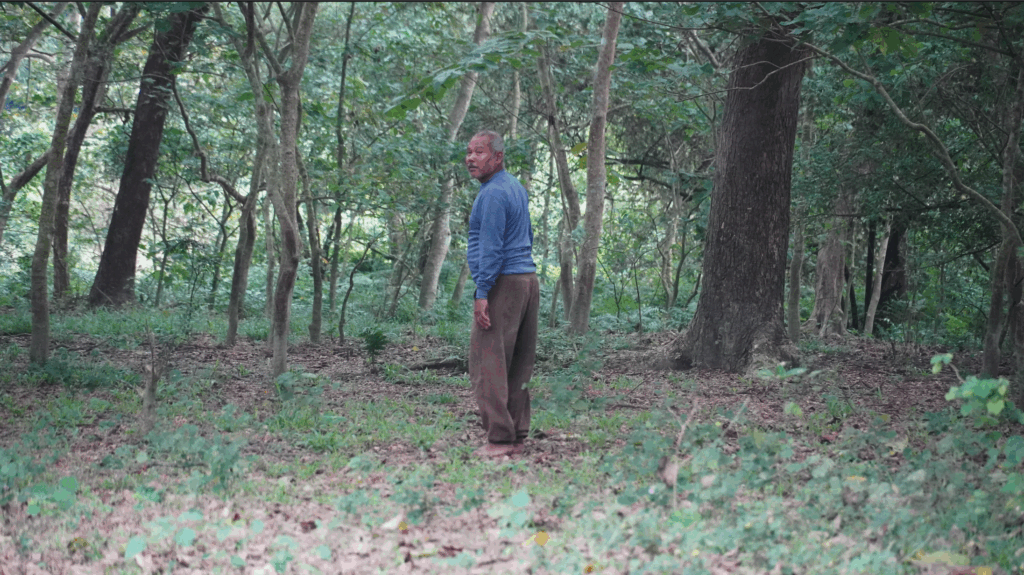
Jadav-Payeng-Innercall - Global Recognition:
- Taiwan: In 2016, Payeng was honored with the Fervent Global Love of Lives Award by the Chou Ta-Kuan Cultural and Educational Foundation in Taiwan. He was felicitated by the President of Taiwan, Tsai Ing-wen, highlighting the diplomatic reach of his environmental message.24
- Documentaries: The 2013 documentary Forest Man by William Douglas McMaster won the Best Documentary prize at the Emerging Filmmaker Showcase at the Cannes Film Festival. This film introduced Payeng to a western audience.26
Transnational Environmental Diplomacy: The Mexico Project (2021-2030)
In a remarkable evolution of his mission, Jadav Payeng has transitioned from a local activist to an international consultant for large-scale reforestation. His most significant international engagement is with the country of Mexico.
The Fundación Azteca Agreement
In December 2020, during the Ciudad de las Ideas festival in Puebla City, Payeng signed a collaborative agreement with Fundación Azteca, a non-profit organization of Grupo Salinas. The agreement was signed with former Mexican senator Ninfa Salinas Sada.9
Project Specifications:
- Goal: To plant 7 million trees in Mexico.
- Scope: The project reportedly involves an area of 800,000 hectares of land (likely a mix of restoration and agroforestry zones).
- Timeline: The project is long-term, necessitating a 10-year visa granted to Payeng by the Mexican government.9
Methodology Transfer
Payeng’s role is not merely symbolic. He is tasked with transferring his methodology of community mobilization to the Mexican context.
- Seasonal Work: Payeng travels to Mexico annually for three months—September, October, and November—which are identified as the optimal planting window for the region.28
- Youth Engagement: Payeng plans to mobilize 100,000 students per day to assist in planting. This strategy mirrors his belief that environmental education must be experiential. “The world is my home and the young generation my strength,” Payeng stated regarding the initiative.9
- Biological Exchange: Payeng has expressed intentions to experiment with Indian flora in Mexico, specifically carrying coconut and areca nut seedlings to test their viability in the Mexican climate, promoting cross-continental agro-biodiversity.30
Geopolitical Significance
This collaboration represents a rare instance of “South-South” (or “South-North” in this specific geography) knowledge transfer where the expertise flows from an indigenous individual in a developing nation to a major North American economy. It validates the Payeng Model as a globally applicable solution to the climate crisis, independent of high-tech interventions.
Existential Threats and Future Outlook (2024-2025)
Despite the global acclaim, the Molai Forest remains a fragile ecosystem, vulnerable to the powerful natural forces of the Brahmaputra and the socio-economic pressures of the region.
Hydrological Instability and Erosion
The Brahmaputra is a braided river characterized by high sediment load and channel migration. Erosion is the single greatest threat to Majuli Island and the Molai Forest. Payeng has repeatedly warned that the river is eroding the banks of Aruna Chapori.
- 2024 Floods: The 2024 flood season in Assam was particularly severe. Reports indicate that embankments in Majuli were breached due to the combined impact of the Brahmaputra and Subansiri rivers. While the forest itself acts as a buffer, the sheer volume of water and the unpredictability of flash floods (exacerbated by rainfall in Arunachal Pradesh) pose a constant risk of the land mass itself being washed away.31 Payeng continues to advocate for planting trees as the only sustainable defense against this erosion.
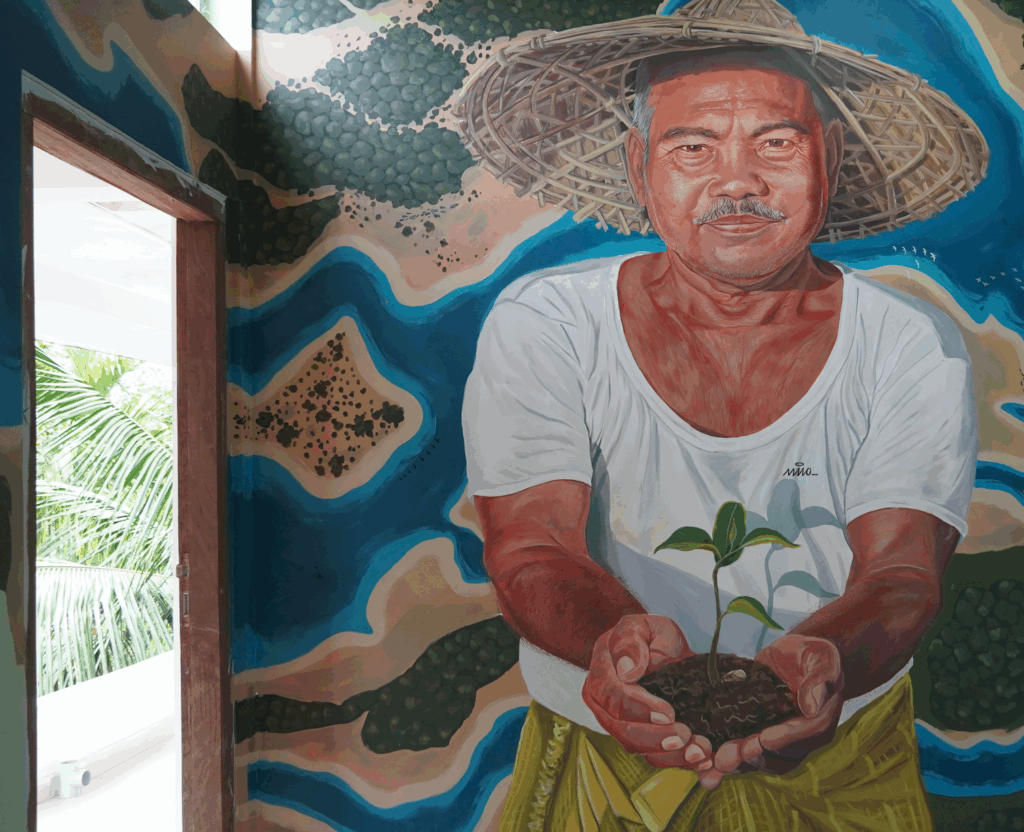
Jadav-Payeng-Innercall
The Poaching Menace
The return of endangered species has inevitably attracted poachers.
- Rhino Poaching: In a heartbreaking incident, a rhinoceros sheltering in the Molai Forest was killed by poachers for its horn. Payeng was not present at the time but was deeply affected. He has since established a network of informants among the local villagers and maintains close contact with the Forest Department to monitor threats.
- Lack of Protected Status: The forest is not a notified “Reserved Forest” or “Wildlife Sanctuary” in the strict legal sense. Payeng resists this formal classification because it would legally bar local villagers from entering the forest to collect firewood or graze cattle—activities that are currently managed sustainably. He fears that excluding the community would turn them against the forest, increasing the risk of retaliatory destruction or poaching facilitation.
Human-Wildlife Conflict
The success of the forest has come at a cost to local agriculture. The elephant herd that uses the forest as a base frequently raids the paddy fields of neighboring villages.
- Conflict Mediation: Farmers have threatened to cut down the forest to remove the elephant refuge. Payeng has had to play the role of mediator, educating farmers on the ecological benefits of the forest (erosion control) and urging them to plant buffer crops or use non-lethal deterrents. He argues that the elephants raid crops because their natural habitats elsewhere have been destroyed, making the Molai Forest a necessary, if imperfect, solution.
Current Status (2025)
As of 2025, Jadav Payeng is 66 years old. He remains active and physically engaged in the forest.
- New Planting Sites: He has reportedly begun work on a new sandbar near Mekahi island, expanding his restoration efforts beyond the original Molai Kathoni.19
- Cultural Advocacy: He continues to use his platform for broader cultural and environmental advocacy, recently calling for green tributes to Assamese cultural figures like Zubeen Garg, thereby weaving environmentalism into the fabric of regional identity.35
- Honors Continue: His receipt of an Honorary Doctorate from Assam Agricultural University in April 2025 demonstrates that his work continues to generate new academic interest and recognition.23
The Legacy of the Forest Man
The story of Jadav Payeng and the Molai Forest is a profound commentary on the capacity of the individual to affect planetary change. In an era defined by climate anxiety and institutional paralysis, Payeng’s work offers a tangible, verified model of restoration. He has demonstrated that:
- Nature is Resilient: Even the most degraded landscapes (sterile sandbars) can recover if the biological kickstart is provided.
- TEK is Science: Indigenous methods, such as using ants for soil engineering, are essentially advanced biotechnology that predates modern soil science.
- One Person Matters: The scale of the Molai Forest—larger than Central Park—proves that individual agency is not negligible in the face of global problems.
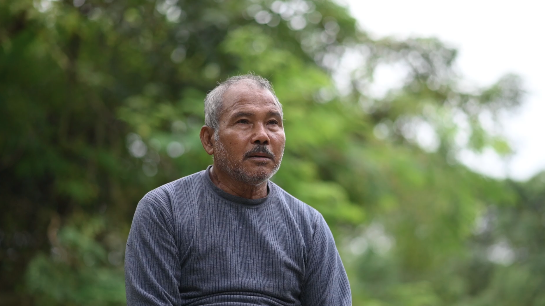
Jadav-Payeng-Innercall
However, the Molai Forest is not a static monument; it is a living, breathing entity engaged in a struggle for survival. Its future depends on a delicate balance: between the river that created it and the river that seeks to erode it; between the wildlife that inhabits it and the humans who live on its fringes; and between the man who planted it and the mortality that eventually claims all creators.
As Jadav Payeng travels between the sandbars of the Brahmaputra and the arid lands of Mexico, his message remains consistent: “I will plant until my last breath.” It is a vow that has already redrawn the map of Assam, and may yet reshape the forests of the world.
Much respect to Sir
Jadahav Sir is the reason People like us Breathe .