
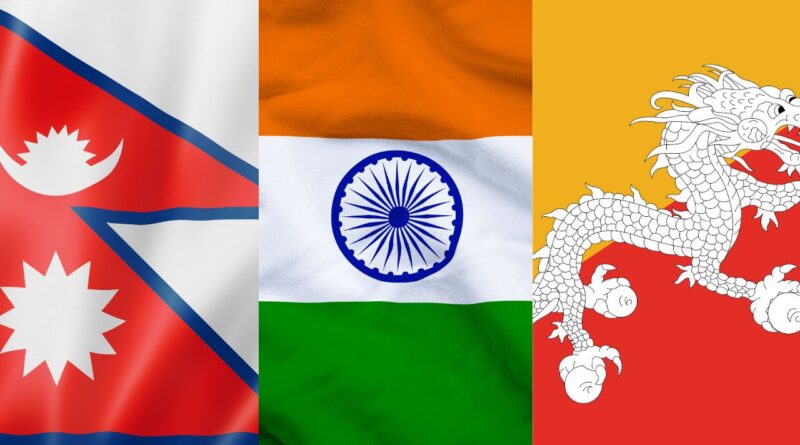
The Story of Three Nations: India’s Unique Bonds with its Himalayan Brothers
Open Borders and People-to-People Connectivity
India–Nepal: Borders Without Barriers
India and Nepal’s 1950 Treaty of Peace and Friendship allows citizens to move, work, live, and even own property without passports or visas. This is one of the most liberal border agreements in the world. Millions of Nepalis live and work in India, and many Indians have family ties across the border. In regions like Bihar and eastern Uttar Pradesh, cross-border marriages are common. And despite growing nationalism on both sides, Indians and Nepalis have continued to live like extended family. Indian currency is widely accepted in Nepal, and Nepali remittances from Indian jobs are a critical lifeline to its economy.
India–Bhutan: Trust with Structure
While more regulated, India-Bhutan travel is still extremely easy. Bhutanese enter India using ID cards, and Indians get a free permit on arrival. Thousands of Bhutanese students study in India, and over 50,000 Indians work in Bhutan in construction, services, and trade. In 2021, the opening of seven new border routes further eased movement. These small but powerful signs — of freedom of movement, mutual respect, and trust — are what make the India-Bhutan relationship so special.
Strategic and Military Cooperation
Nepal’s Gurkhas – Fighting for India, With Pride
The Gorkha soldiers from Nepal have been part of the Indian Army since independence. Today, over 30,000 Nepalese citizens serve in India’s military, fighting with the same bravery as Indian citizens. Both countries honor each other’s army chiefs as honorary generals — a rare and symbolic tradition. India has supported Nepal during internal insurgencies, shared weapons, training, and intelligence. Most importantly, India has always stood by Nepal in times of crisis, not as a foreign power, but as a big brother — dependable and close.
Bhutan – India’s Most Trusted Ally
India is Bhutan’s primary military partner. Indian Army training teams are stationed there permanently. Bhutan has also helped India tackle Northeast insurgents in the past. During the 2017 Doklam standoff, when Chinese soldiers tried to build a road on Bhutanese land, Bhutan turned to India — and India responded with strength and calm, ultimately forcing China to retreat. That moment wasn’t just about geopolitics. It was about trust, the kind that comes when a small nation knows it can rely on its larger neighbor to protect its sovereignty without taking it away.
Economic and Diplomatic Support
India–Nepal: Always There, Through Every Crisis
India is Nepal’s biggest trade partner, largest investor, and lifeline to the sea. India has built roads, border checkposts, rail links, and even a petroleum pipeline from Motihari to Amlekhgunj, ensuring Nepal gets fuel efficiently. During the 2015 earthquake, India launched Operation Maitri, sending military aircraft, helicopters, search teams, and doctors within hours. Even as governments argued, the Indian people and army stood firmly by Nepal, rescuing lives, rebuilding homes, and healing wounds. This help wasn’t transactional — it was from the heart. It was the act of a brother helping his own. India also pledged $1 billion for reconstruction, built over 50,000 houses, and ensured fast-track visas for injured Nepalis needing care in Indian hospitals. Despite political tensions, India has never failed to show up for Nepal in its darkest hours.
India–Bhutan: A Development Partner, Not a Dominator
India has funded Bhutan’s development since 1961 — from schools and hospitals to hydropower plants. It financed major energy projects like Chukha, Tala, and Mangdechhu, which now generate clean electricity, most of which is sold to India. This is not charity — it’s partnership. Bhutan uses the revenue to support its unique Gross National Happiness model,
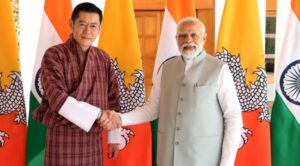
while India gets clean, sustainable energy. India also helped Bhutan join the United Nations in 1971 and continues to provide scholarships, skill training, and diplomatic mentorship — a quiet sign of faith in Bhutan’s sovereignty and promise.
Challenges and Moments of Strain in the Relationships
No relationship is perfect, not even between brothers. And India’s ties with Nepal and Bhutan have occasionally faced friction. What matters, however, is how those tensions were handled — with maturity, mutual respect, and long-term vision.
Nepal’s Political Nationalism and Historical Frictions
Over the years, some segments in Nepal have viewed India’s involvement as overbearing. In 1989, when Nepal bought arms from China, India withdrew trade and transit treaties, triggering a blockade that hurt Nepal’s economy and left a scar. In 2015, when Nepal adopted a new constitution, India expressed concern for the Madhesi community, who share deep ties with India. Protests followed, and what Nepal perceived as an unofficial Indian blockade caused immense suffering. Though India denied orchestrating it, anti-India sentiment rose sharply in Nepal.
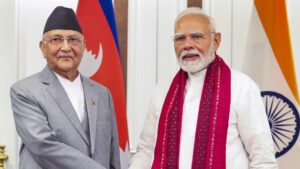
This tension was eventually eased when Nepal made constitutional amendments, and India restored full trade flow. But it reminded both countries of their interdependence — Nepal of its economic reliance, and India of its emotional standing in Nepali hearts. In 2020, Nepal published a new political map claiming Indian territories like Kalapani and Lipulekh, escalating tensions. But once again, dialogue prevailed, and both sides resumed talks. Even at these moments, Nepali Gorkhas continued to serve in the Indian Army, symbolizing that the foundation of this relationship runs deeper than headlines.
Bhutan’s Balancing Act and India’s Protective Response
Bhutan’s relationship with India is mostly smooth, but one strain came in 2013, when Bhutan’s Prime Minister Jigme Thinley began exploring closer ties with China. India, reportedly unhappy, withdrew subsidies on gas and kerosene, leading to a spike in fuel prices just before Bhutan’s elections. This quiet signal worked — Thinley lost, the new government mended ties with India, and subsidies were restored. But the message was clear: India is willing to guide Bhutan, but not control it. The Doklam standoff in 2017 further tested this trust. Bhutan stood firm with India against China’s territorial pressure, and India protected Bhutan’s claim on the plateau. It was a moment of solidarity that reaffirmed the bond. Bhutan’s desire to modernize and engage globally is understood by India — and since the 2007 treaty revision, Bhutan now has more freedom in foreign policy. Minor frictions (like traffic regulation under a regional pact) have been handled quietly, respectfully, and without media drama — showing the maturity of a strong, balanced relationship.
Conclusion: Why These Bonds Endure
Nepal and Bhutan are not just India’s neighbors — they are brothers in geography, culture, and history. Their ties with India go beyond strategy — into the realm of shared memories, shared festivals, shared soldiers, and shared destinies. Yes, there have been moments of disagreement, but unlike other regional relationships (with Pakistan, China, or even Sri Lanka), these bonds have always healed. India has stood by Nepal in times of disaster, by Bhutan in times of geopolitical stress, and both countries have, in return, shown India deep loyalty and cultural love. This is not a transactional friendship. It is fraternal. It is human. It is the kind of relationship that makes South Asia feel like home, not just a map.